

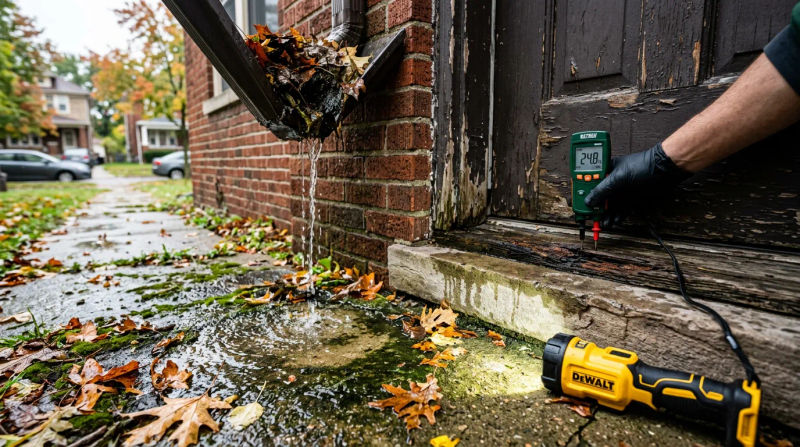
You’ve signed the papers, packed the boxes, and the moving truck is scheduled. The excitement of settling into your new home, especially during the beautiful autumn season in Detroit, is palpable. But imagine arriving on moving day to find the walkway slick with wet leaves, the driveway a muddy track, and the entryway dark and unwelcoming. Suddenly, the smooth transition you planned feels chaotic and hazardous. This scenario is more common than you might think, but it's entirely preventable with a bit of foresight and a proper pre-move inspection.
As a specialist who has managed hundreds of moves across the metro area, I’ve seen firsthand how a little bit of fall move prep can make all the difference. Before you hand over the keys to your moving crew, taking a final, critical look at your new property is one of the most important steps. Here are the key signs that your new place isn’t quite ready for a safe and efficient move-in.
Common Signs and Symptoms
A successful move is built on a foundation of safety and accessibility. When our crews arrive at a new home, we immediately perform a site assessment to identify potential hazards. You can do the same by looking for these seven common red flags during your final walk-through.
- Slippery Walkways and Driveways: In Detroit, fall means a constant blanket of leaves. When combined with rain or morning dew, concrete and asphalt can become extremely slippery. Look for heavy leaf accumulation, moss or algae growth in shaded areas, and low spots where water pools.
- Overflowing Gutters: Take a moment to look up. Are the gutters sagging or filled with leaves and debris? Water spilling over the sides can saturate the ground near the foundation, creating muddy patches right where crews will be walking. Dealing with clogged gutters before moving is a critical safety step.
- Inadequate Exterior and Interior Lighting: With daylight hours getting shorter in the fall, a move can easily extend into the early evening. Check that all exterior lights - porch lights, garage lights, and motion-sensor lights - are working. Inside, test the main lights in each room, especially in hallways, stairwells, and basements.
- Obstructed Pathways: Are there overgrown shrubs blocking a walkway? Is there leftover construction debris or trash cans from the previous owners impeding access to the front door or garage? Any object that forces a narrow path is a hazard for crews carrying heavy furniture.
- Soft and Muddy Lawn Areas: A rainy Michigan autumn can turn a pristine lawn into a mud pit. Identify the primary path from the moving truck to the main entrance. If it’s across the grass, the ground needs to be firm. Soft, saturated ground can cause dollies and hand trucks to sink, increasing the risk of dropped items and injuries.
- Unaddressed Interior Conditions: Pay attention to the state of the interior. Are there loose floorboards, peeling paint chips that could create dust, or uncovered air vents blowing debris? In many of the classic 1950s brick homes, like the 'Warren Ranches' common in the area, older HVAC systems can kick up a lot of dust if they haven't been recently serviced.
- No Clear Staging Areas: A move flows best when there’s a designated space for boxes and furniture to land. Look for a large, clear room - like a living room or garage - that can serve as the initial drop zone. If every room is already filled with renovation materials or personal items, it creates disorganization and inefficiency from the start.
What Causes This Problem
Understanding the root causes of these issues can help you anticipate and address them. Most move-in readiness problems stem from a combination of seasonal factors, property conditions, and a simple lack of planning.
First and foremost, the season itself is the biggest factor in Detroit fall move preparation. The combination of falling leaves, increased rainfall, and dropping temperatures creates a perfect storm for slip-and-fall hazards. What was a clear, dry walkway in August can become a treacherous path by October.
Secondly, the condition the previous owners left the property in plays a huge role. A vacant home may have been neglected for weeks or months, leading to overgrown landscaping and uncleaned gutters. Even if the sellers moved out just a day before you move in, they likely weren’t focused on exterior maintenance. This is why inspecting for clogged gutters before moving is so important - it’s a task that is easily overlooked during the chaos of a sale.
Finally, a lack of a comprehensive moving day safety checklist can cause homeowners to miss these details. You’re focused on packing and logistics, so it’s easy to forget about the physical conditions of the destination. Many of the post-war homes built in the 1950s, for example, have low-pitched roofs that accumulate leaves quickly, and their simple, functional layouts can be a huge asset for movers, but only if the paths are clear and well-lit.
When to Call a Professional
Once you’ve identified these potential issues, the next step is deciding how to handle them. Some tasks are simple DIY fixes, while others are best left to experienced professionals.
DIY-Friendly Tasks:
- Raking leaves and clearing walkways: A few hours with a rake and a broom can dramatically improve safety.
- Changing lightbulbs: Ensure all essential interior and exterior fixtures have working bulbs.
- Trimming small, accessible shrubs: If a few branches are blocking a path, a pair of pruning shears can solve the problem quickly.
- Designating a staging area: Simply clearing out the living room or garage gives your moving team a clear directive and a safe space to work.
When to Hire Help:
- Gutter Cleaning: If you have a multi-story home or are uncomfortable on a ladder, hire a professional service. It’s a low-cost task that provides a major safety return.
- Major Landscaping or Tree Removal: For large, overgrown trees or shrubs that require power tools, it’s safer and more efficient to call a landscaping company.
- Electrical Issues: If exterior lights aren’t working even after changing the bulbs, you may have a wiring problem that requires an electrician.
When it comes to the move itself, this is where a team of trained professionals truly shines. Our crews are trained to handle imperfect conditions. We come equipped with heavy-duty floor runners to protect carpets and wood from mud, specialized dollies for navigating uneven ground, and standardized procedures for assessing risk. An experienced team won’t be stopped by a little rain or a few leaves, but a well-prepared home allows us to work more safely and efficiently, which ultimately protects your belongings and your property.
Conclusion
Your fall move prep shouldn't end with the packed boxes. A final, thorough inspection of your new home is a non-negotiable part of a successful move. By creating a moving day safety checklist and looking for slippery paths, poor lighting, and other hazards, you can transform a potentially risky environment into a safe and welcoming space. Addressing these small issues proactively prevents injuries, protects your furniture and floors from damage, and sets the stage for a smooth, stress-free move-in day. Don't wait until the truck is in the driveway to discover a problem.
If you notice any of these signs, contact a local professional for an inspection or assistance.