
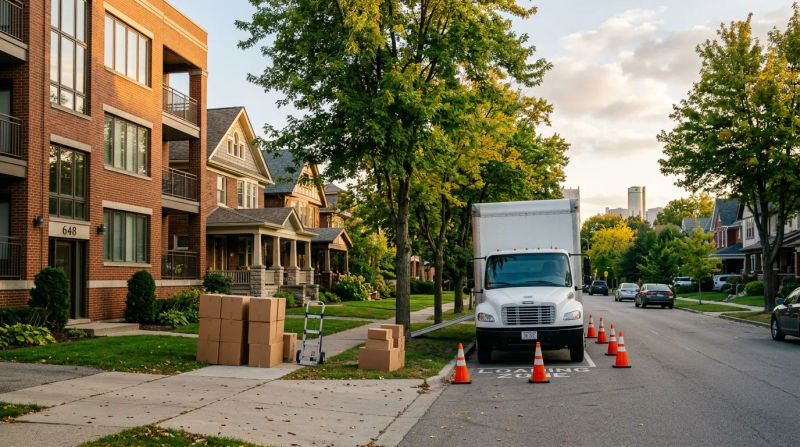
As a Senior Moving Operations Specialist at A.W. Family Movers, I’ve spent over a decade coordinating moves in, out, and around Detroit. I can tell you from firsthand experience that moving here is unlike anywhere else. Each neighborhood has its own rhythm, its own rules, and its own unique set of logistical puzzles. From the high-rises of Downtown to the historic streets of Corktown, a successful move isn't just about lifting boxes - it's about understanding the city's specific landscape. This is especially true as we head into the fall. With daylight hours getting shorter in September, efficient planning for curb space and loading times becomes critical to ensure a safe and smooth process, avoiding that late-day rush.
Seasonal & Logistical Challenges in Detroit
Detroit’s four distinct seasons present unique moving challenges, and autumn is no exception. While the cooling temperatures are a welcome break from summer heat, they bring their own considerations. Morning dew and fallen leaves can make walkways and steps slick, requiring extra caution from our crews. More importantly, the sun sets earlier each day. A delay that might be a minor inconvenience in July can mean you’re unloading in the dark by October, which is something we always work to avoid.
This is why logistical planning is paramount. The biggest variable we manage on any urban move is access. Where can we legally and safely park the moving truck? For how long? Is there a designated loading dock, or are we navigating a busy street? Answering these questions ahead of time is the key to an efficient move. At A.W. Family Movers, we build our entire move plan around securing the best possible access, because we know that a few minutes saved at the curb can translate into hours saved over the entire day.
Best Practices for Moving in Detroit's Neighborhoods
Every Detroit neighborhood has a distinct character, which extends to its moving day logistics. A plan that works in Midtown might lead to a ticket or a major delay in West Village. Here’s a breakdown of what our teams encounter across the city.
Downtown: The Vertical Move
Moving into or out of a Downtown Detroit high-rise is a specialized operation. Your biggest assets are communication and reservation.
- Elevator Reservations: This is non-negotiable. Most residential buildings require a Midtown Detroit move-in elevator reservation (a term often used for Downtown too). You'll need to book the padded freight elevator for a specific time block. Do this as soon as you have your move date, as slots fill up quickly. Forgetting this step can halt your move entirely.
- Loading Docks & Zones: Many modern buildings have dedicated loading docks. You’ll need to know the clearance height and the building’s rules for access. For older buildings without docks, understanding the Downtown Detroit loading zone rules is essential. These zones have strict time limits. Overstaying your welcome can lead to a hefty ticket and disrupt traffic.
- Permits: For street parking, a Detroit moving truck parking permit is often necessary to reserve curb space. This prevents other vehicles from blocking your access and ensures a shorter, safer path for movers carrying heavy furniture.
Midtown: A Mix of Old and New
Midtown presents a blend of historic apartment buildings, new developments, and single-family homes. This mix requires a flexible approach.
- Coordinating with Property Management: Whether it’s a walk-up near the DIA or a new condo, the property manager is your best friend. They can inform you about service entrances, stairwell access, and any specific building policies. The team at A.W. Family Movers always makes a pre-move call to building management to confirm the plan.
- Street Parking Nuances: Streets in Midtown can be tight, especially with bike lanes and permit-only residential parking. We often use smaller shuttle trucks to ferry items from a larger truck parked on a main thoroughfare, minimizing disruption on smaller side streets.
Corktown & West Village: Historic Charm, Modern Challenges
These neighborhoods are known for their beautiful historic homes, but that charm comes with narrow streets, tight corners, and limited front-door parking.
- Alley Access: Many properties in these areas have rear alley access, which can be a game-changer. Our operations team will often survey the location via satellite imagery and a site visit to see if an alley is wide enough for our truck. This can provide direct, out-of-the-way access to your back door.
- Protecting Historic Features: Moving large furniture through older homes with original woodwork, plaster walls, and narrow staircases requires skill. Our crews are trained to use extensive padding on floors, banisters, and door jambs to prevent any damage. A.W. Family Movers has served Detroit homeowners for years, and we pride ourselves on leaving historic homes in the same condition we found them.
Eastern Market: A Commercial Hub
Moving into a loft or apartment in Eastern Market means planning around one of the busiest commercial districts in the city.
- Timing is Everything: Avoid moving on a Saturday at all costs. The market traffic makes access nearly impossible. We strongly recommend a weekday move. Even then, it’s best to schedule your move to avoid the early morning rush of vendor trucks. An afternoon start is often ideal.
- Loading Zone Awareness: The area is filled with commercial loading zones. Be sure you’re not blocking access for local businesses. A well-communicated plan and a potential Detroit moving permits can make you a good new neighbor from day one.
Local Resources and References
Successfully navigating a move in Detroit often requires tapping into official resources. Your first stop for any questions about street closures or permits should be the City of Detroit's website. The Department of Public Works is typically the entity that handles permits for temporary street or lane usage.
However, don't underestimate the importance of your building's management company. They are the ultimate authority on elevator reservations, loading dock schedules, and internal building rules. Establishing a clear line of communication with them early in the process will save you headaches on moving day.
When it comes to securing a Detroit moving truck parking permit, the process can sometimes feel daunting. This is an area where an experienced local mover can provide immense value, as we handle these logistics regularly and understand the city's requirements.
Choosing a Local Expert
As you can see, a Detroit move is more than just a physical task - it’s a logistical challenge that demands local knowledge. Choosing a moving company that understands the specific nuances of your new neighborhood is the single most important decision you can make for a stress-free experience. A national chain might not know that a certain street in Corktown is too narrow for a 26-foot truck or that a specific Downtown building requires you to book the freight elevator three weeks in advance.
At A.W. Family Movers, our entire process is built on this local expertise. Our organized workflows begin with a detailed assessment of your origin and destination. Our trained crews aren't just strong; they're smart problem-solvers who know how to adapt to the unique challenges each Detroit address presents. From navigating tight stairwells in a West Village Victorian to coordinating with security in a sleek Downtown tower, we have the standardized processes and deep experience to get the job done right.
Moving is a big transition, and you deserve a partner who knows your new city as well as you hope to. When it comes to moving in Detroit, having a team that has navigated these streets for years makes all the difference. If you're planning a move, I encourage you to reach out to us. Let our local expertise make your moving day a success.